The Organized Author: Creating Systems That Work
There is a big difference between being busy and being organized. Many authors have notebooks filled with ideas, random sticky notes, unfinished outlines, scattered documents, and writing schedules that constantly change. Over time, disorganization can create frustration, stress, and even writer’s block. I can relate to notebooks filled with ideas, research, documents I have printed, and sticky notes, but it is where and how you keep them that makes you either organized or disorganized.
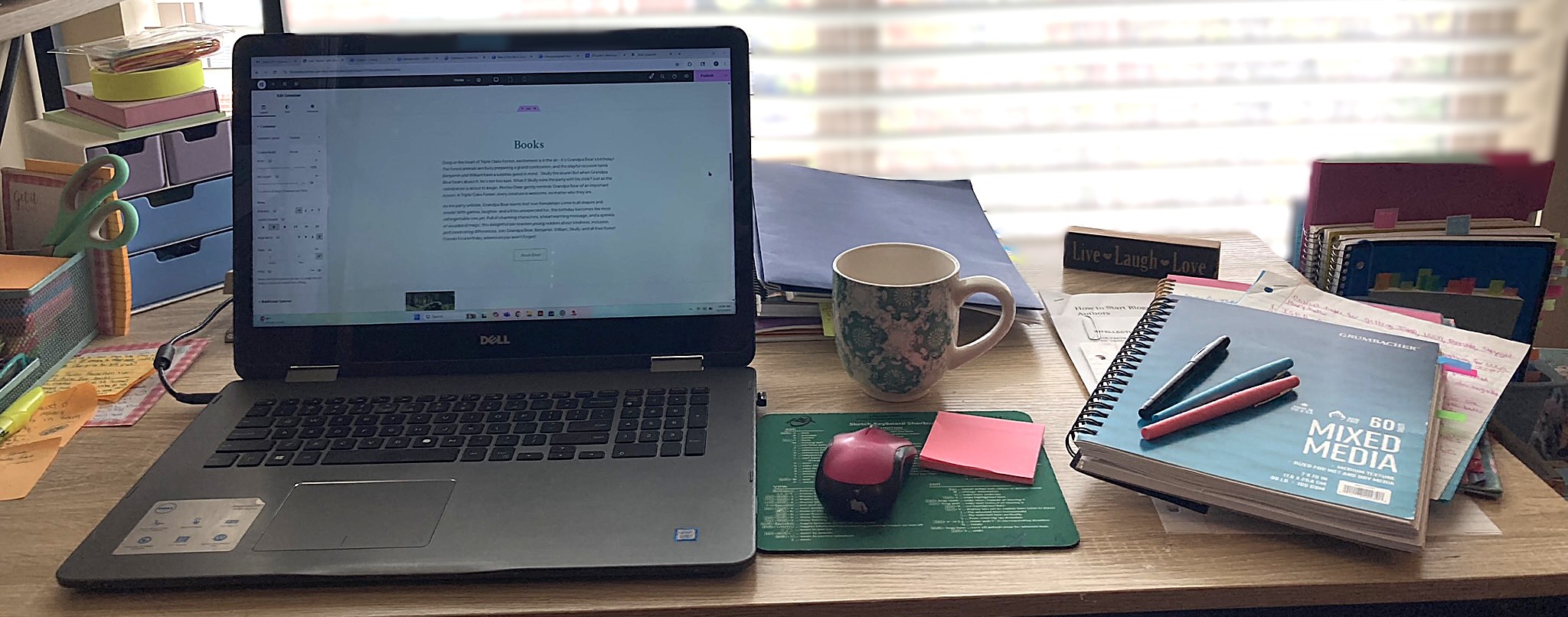
Being an organized author does not mean everything has to look perfect. It means creating systems that help you work smarter, save time, and stay focused on your writing goals. Who doesn’t love a good sticky note? I love them! However, if I have several and they are scattered all over my desk, I cannot concentrate. When I do use a sticky note, I usually have them in two categories. If something is written on a sticky note that needs attention or needs to be remembered for a short period of time, but not right away, I pin it to my bulletin board. If something is written on a sticky note that needs attention right away, I make those things a priority, and once they are taken care of, they get thrown away. I also use several different things and systems to help keep me organized. In my office space, I have a whiteboard. I write things that need to be done and/or finished promptly. I can see it at all times, and it is a reminder that they need to be taken care of soon. These things are usually important upcoming things I need to do. I use spiral notebooks for ideas, research notes, etc. I use binders for things I need to print off and keep. In the binders, I use tabs to divide the printed documents, research, quotes from companies regarding dollar amounts, and contracts.
I keep bookmarks, items for my swag bags, and other items for events in a plastic, two-drawer storage container. The one I use fits perfectly under my desk, off to the side. On top of my desk, I have a stapler, and I keep pencils, pens, scissors, markers, sticky notes, push-pins, and paperclips in organizational holders made for these items. Behind my desk, I have a small storage cabinet where I keep notebooks, binders, and folders. On top of this cabinet sits my printer, and a plastic book holder where I keep notebooks, an accordion file folder for receipts for taxes, and reference books.
When your writing life feels organized, your creativity has more room to grow. And, you do not need a huge space to be organized. Below are some things you can do to help you become organized, if that is an area you struggle with.
Start With a Writing Calendar
One of the best tools an author can have is a calendar. A calendar helps you stop relying on memory and start creating structure. This should be separate from your personal calendar.
Your calendar can include:
- Writing sessions
- Editing deadlines
- Blog post schedules
- Social media content
- School visits or events
- Book launches
- Illustrator meetings
- Printing deadlines
- Marketing tasks
Some authors prefer digital calendars, while others enjoy physical planners. Neither is wrong. The goal is to create a system you will actually use consistently.
Even if you only have thirty minutes sometimes to write, your day becomes easier when it is scheduled intentionally instead of squeezed into random moments.
Simple Weekly Author Calendar Example
| Day | Writing Goal | Business Task | Personal Reminder |
|---|---|---|---|
| Monday | Draft Chapter 2 | Schedule blog post | Grocery shopping |
| Tuesday | Edit manuscript | Respond to emails | Exercise |
| Wednesday | Brainstorm ideas | Update website | Family time |
| Thursday | Write dialogue scenes | Social media posts | Rest evening |
| Friday | Review progress | Organize files | Movie night |
| Saturday | Longer writing session | Package orders | Relax |
| Sunday | Plan next week | Goal review | Prepare meals |
A calendar creates visibility. Instead of wondering what to do next, you already have direction. It also eliminates an excessive amount of sticky notes or random pieces of paper.
Create Worksheets & Checklists
Writers often waste time searching for information they could have organized beforehand. Worksheets and checklists simplify your workflow and reduce mental clutter.
You can create systems for:
- Character development
- Plot planning
- Editing
- Publishing deadlines
- Book launch preparation
- Marketing plans
- Expense tracking
- School visit preparation
Checklists are especially helpful because they prevent important tasks from being forgotten. If you are looking for a great checklist, go to my Shop page on my website. I have designed digital products that will make writing and getting organized better.
For example:
Simple Author Organization Checklist
☐ Back up manuscript files
☐ Organize desktop folders
☐ Update writing calendar
☐ Respond to important emails
☐ Track book expenses
☐ Review current writing goals
☐ Clean workspace
☐ Prepare next writing session
Small systems create consistency.
Keep a Clean Desk
I don’t know about you, but if my desk is cluttered or has a million things on it, I can’t concentrate on what I am at my desk to do, which is to write. Instead, I focus on all of the things that are cluttering it up, and I lose focus. I end up looking through those things, which distracts me from my writing. Your environment affects your focus more than you realize. A cluttered workspace can become mentally distracting, especially for creative people. While every author’s space does not need to look like a magazine cover, keeping a reasonably clean desk can improve productivity and reduce the risk of becoming overwhelmed.
A clean writing space can help you:
- Think more clearly
- Reduce distractions
- Stay motivated
- Find materials faster
- Feel more professional and focused
Try asking yourself:
- Do I actually need everything on my desk?
- What items distract me?
- What tools do I use daily?
- What can be stored elsewhere?
Sometimes simply clearing old papers, organizing pens, or wiping down your desk can mentally reset your writing energy. Your workspace should support your creativity—not compete with it.
Create a Place for Everything
One of the biggest causes of disorganization is not having designated places for important items. When everything has a home, you spend less time searching and more time creating.
Consider organizing:
Physical Items
- Manuscript binders
- Writing notebooks
- Contracts
- Receipts
- Shipping supplies
- Marketing materials
- School visit forms
Digital Items
- Draft folders
- Book cover files
- Illustrator documents
- Blog graphics
- Tax records
- Social media content
- Book formatting files
Naming folders clearly and organizing documents by category can save hours of frustration later. A simple filing system is often more effective than a complicated one that you never maintain.
Organization Creates Freedom
Some people think organization limits creativity, but the opposite is often true. Systems remove unnecessary stress so your mind can focus on storytelling instead of chaos. You do not need to become perfectly organized overnight. Start small.
Maybe today you:
- Create a writing calendar
- Clean your desk
- Organize your manuscript folders
- Make a checklist
- Set a weekly writing schedule
Those small actions build momentum. There are so many cute office organizational items out there, and they are fun to shop for. Then, having those fun items can motivate you to stay organized! The goal is not perfection. The goal is creating systems that make your writing life easier, calmer, and more sustainable. Because when your writing life feels organized, your creativity has room to breathe.