The “Almost Finished” Stage That Never Seems To End
There is a stage in writing a book that I like to call the “almost finished” stage, and every author has had this experience at one time or another in their writing career. It sounds encouraging, doesn’t it? Almost finished. You can practically see the finish line. You start telling people, “I’m almost done with my book!” And then, somehow, three months later, you are still saying the same thing.
At first, “almost finished” feels exciting. The story is written, the characters are developed, the illustrations are coming together, and you can finally see the end in sight. You start thinking about the fun things that come next: holding the finished book in your hands, announcing the release, planning a book signing, and finally saying, “My book is finished!” And then you realize…wait a minute. It isn’t finished.
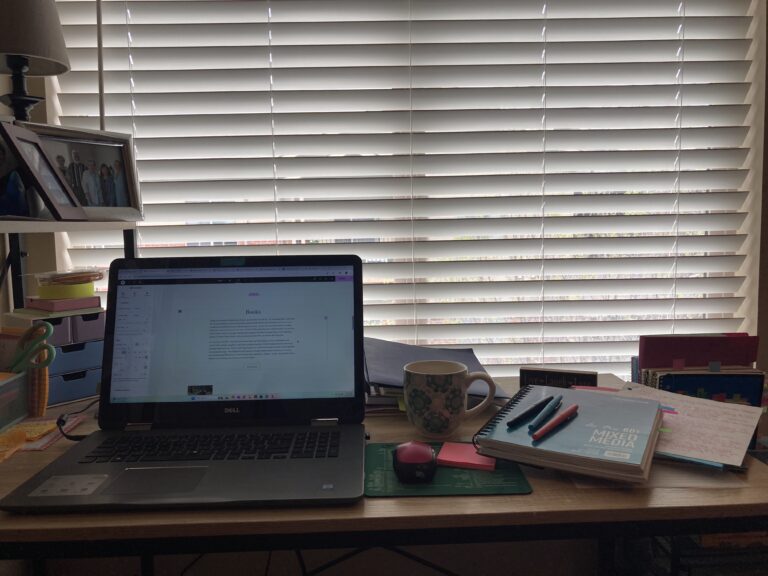
There is always something. I am probably the worst at this! Can anyone else relate? You read through it one more time and find a sentence you want to change. Then you notice a comma that shouldn’t be there. (This is actually a big one for me. I often write how I talk, so even though I know that commas aren’t meant to go where you would take a breath, that they aren’t always where you pause, and that there are grammatical rules for this, I still overuse them!) For me, this often leads to re-reading and then thinking of something else to add. Then you decide a word on page seven would sound better if you changed it. Next, while you’re fixing that word, you notice something on page twelve that suddenly bothers you. Before you know it, you are no longer proofreading. You are conducting a full-scale investigation into every word you’ve ever written!
At this point, you think, finally…. I have finished! You’re excited for someone to read it so you can move on to the next stage of the process; however, just when you think the manuscript is finally ready, someone notices something you missed.
“Did you mean to say that?”
“Well, no. No, I did not.”
A huge sigh comes from deep inside you. So you fix it. Then you read the manuscript again because apparently you no longer trust yourself.
I have discovered that “almost finished” can be a dangerous phrase for an author. It can mean anything from “I have one tiny thing left to do” to “I have absolutely no idea why I thought I was close to being finished.”
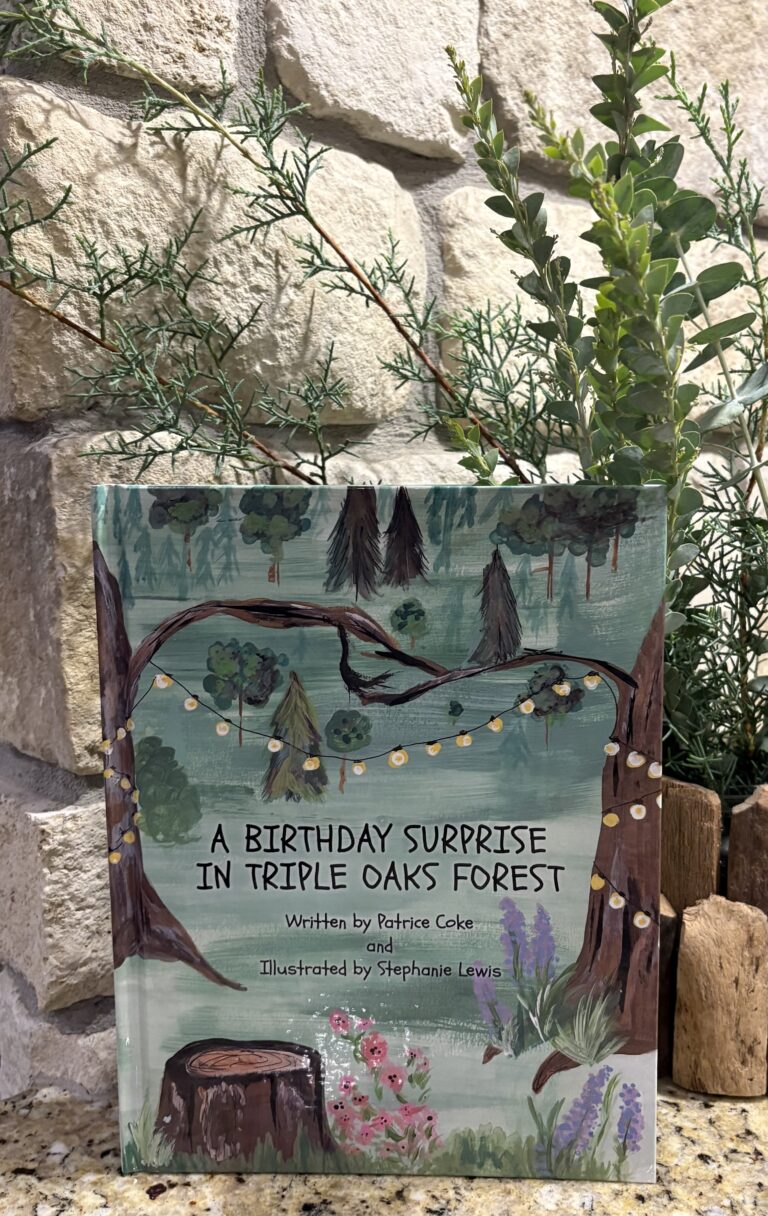
And then there are the things that have nothing to do with actually writing the book. You have to look at the cover. Check the formatting. Make sure the illustrations are where they are supposed to be. Review the copyright page. Check the ISBN. Look at the title page. Proofread the back cover. Check the proof copy. Find something you didn’t notice on the last proof copy. Fix it. Order another proof copy. The wheel is constantly turning. At this point, we count our blessings if our hair hasn’t turned grey.
At some point, you begin to wonder if your book is actually a book or if it has become a permanent member of your family. You know every page. You’ve looked at it so many times that you can practically recite it. You start seeing the characters in your sleep. You question punctuation choices while making dinner. You find yourself thinking, “I really should check page 18,” while standing in the grocery store. True story!! And let’s not forget the moment when you finally say, “Okay. THIS time, I’m done.” That is usually when you find one. more. thing.
I think part of the problem is that authors care about their books. We want them to be right. We want the story to make sense. We want the words to sound good. We want the illustrations to look right. We want the finished product to be something we are proud to put our name on. We want other people to be proud of our work and tell us, “I think this is your best work yet!”
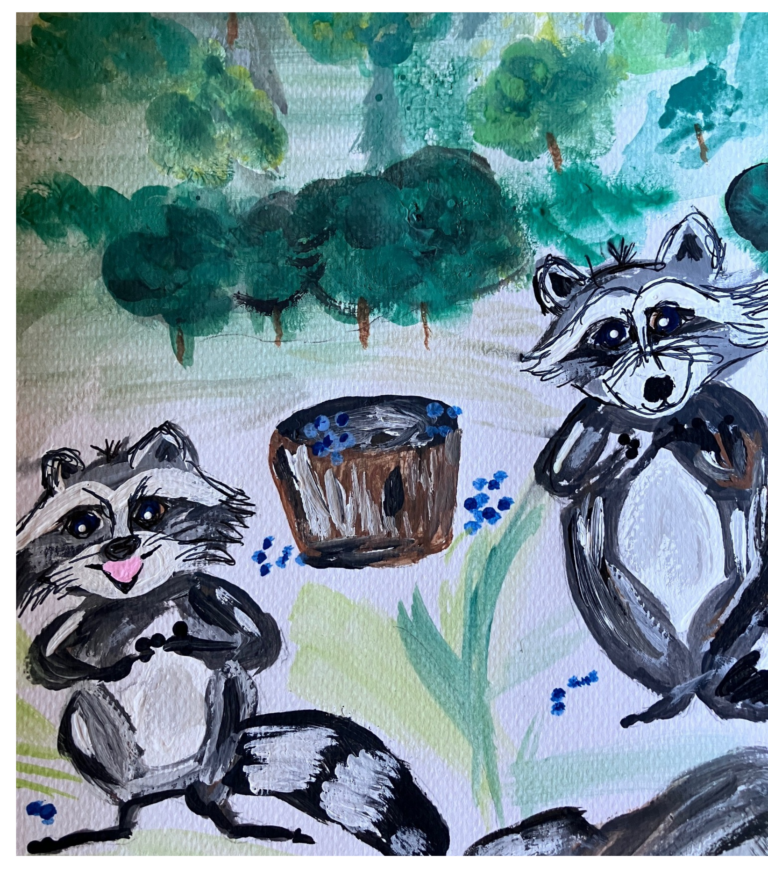
But there comes a point when you have to stop tinkering. That has probably been one of the hardest lessons for me as an author. There is always something you could change. You could rewrite a sentence. Move a paragraph. Change a word. Adjust an illustration. Change the font. Change the font back. Then wonder why you changed it in the first place. These problems are real!
Eventually, you have to remind yourself that your goal is not to create a book that could never be changed. Your goal is to create the best book you can and then let it go. Let it go!!! If you wait until you think it is absolutely, positively, completely, unquestionably perfect, you may still be working on it ten years from now. And I can attest to this! When I was in college, in a Creative Writing class, we were asked to write a short story. I absolutely loved writing (even back then)! I had a story in mind. However, it ended up not being exactly a short story. It was more like a novelette! I was so proud of that story. Within the next day or two, the teacher stopped me as I was heading up the stairs to the newspaper office, where I was the editor. I thought I was in trouble for not following the directions, which were “… a short story.” She told me that I should really consider getting that story published. Another professor read it a year later, and he told me the same thing. Guess what? I still have it! It was never published. I kept editing and editing, and I felt like it was never good enough for publication. That is one of my biggest regrets.
My point is now that when I say my book is “almost finished,” I try to be a little more careful. It might mean the writing is finished. It might mean the editing is finished. It might mean the illustrations are finished. Or it might simply mean that I have convinced myself I am finished until I find something else I want to change. Honestly, that’s okay.
Writing a book is a process. Sometimes the final stretch takes longer than you expect. Sometimes the little details take more time than the big ones. And sometimes “almost finished” is just another part of getting to the finish line. The important thing is to keep moving toward it. Eventually, you really will get there. And when you finally hold that finished book in your hands, all those moments of “Wait…I need to change one more thing” will be worth it; well… at least until you start writing the next book.