How Children Reacted When I Read My Story to Them
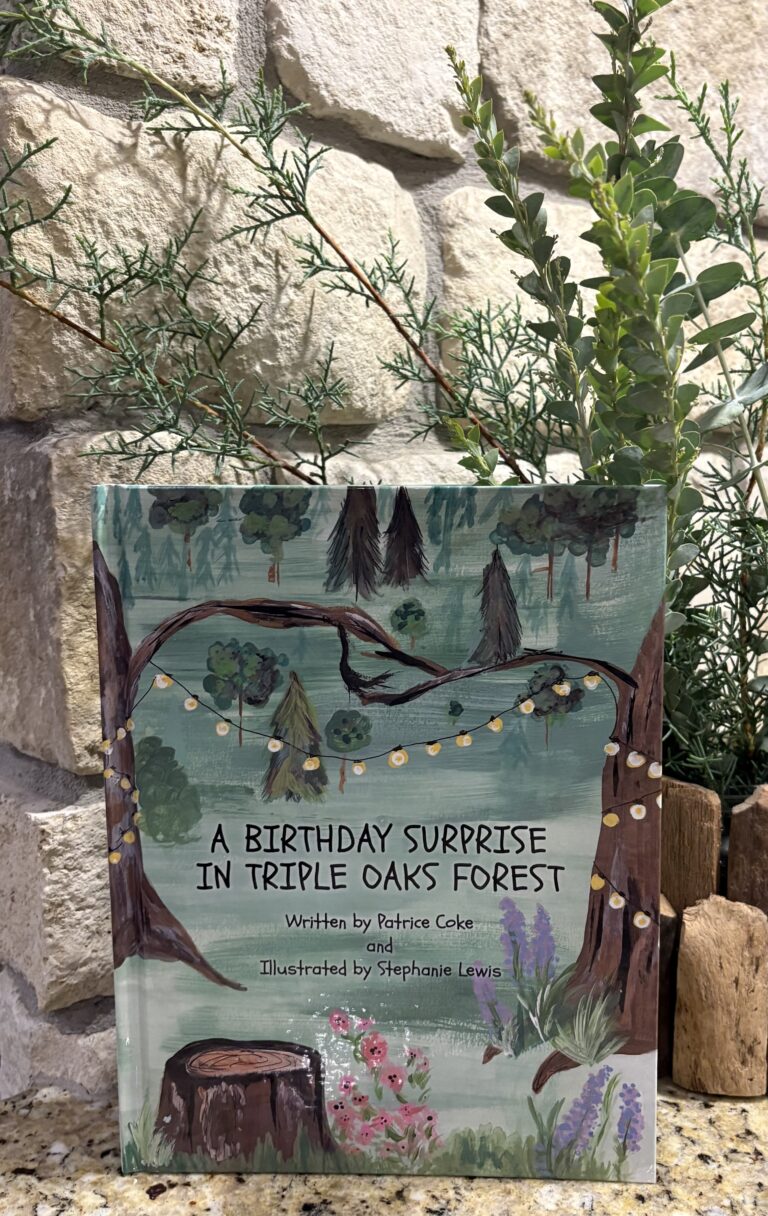
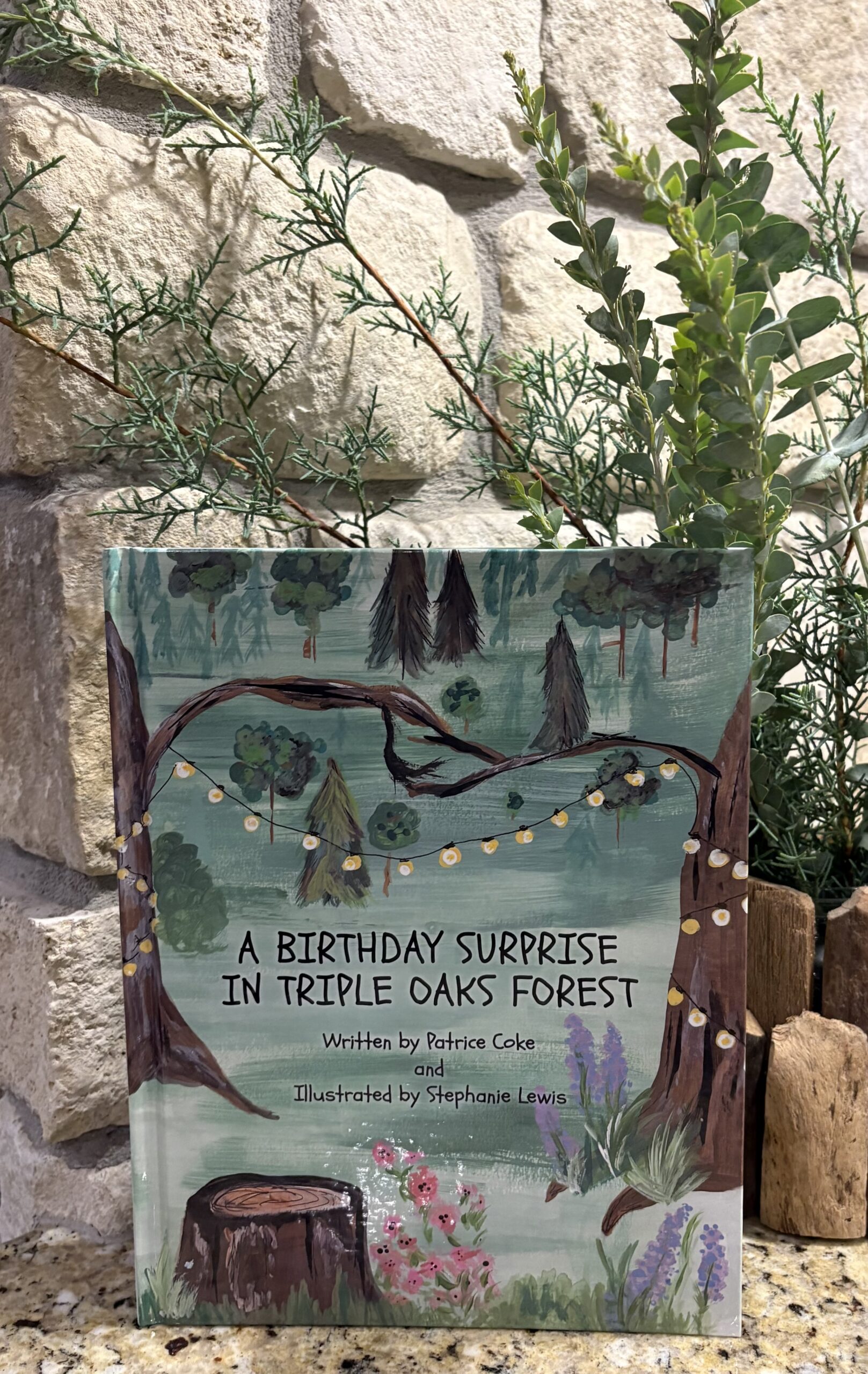
Last week’s blog was about why reading aloud matters when writing a children’s book, so I thought it would be appropriate this week to write about how children reacted when I read my story, A Birthday Surprise In Triple Oaks Forest, to them. But before I get into how the children reacted, I feel it is important to delineate between using them as Beta Readers and reading the story to them after the book was published.
In a previous blog, I discussed the importance of Beta Readers, and part of this process is to read your children’s book to the audience it is geared towards: children. So, before my children’s book was published, I read my story to three of my grandchildren. Two out of the three were together when I read it to them. They ranged in age from 5 to 8 years old. Before I started reading, I explained that I was writing a book and that I needed their help. Children always love to help, and I felt like they might take the task more seriously if I told them I needed help! I told them I was going to read my story to them, and then at the end, I would ask them some questions. I kept the questions age-appropriate (not too technical), and I made sure there were no more than five questions. I also made sure, as I was reading, to pay attention to how each of them reacted to certain parts of the story, as well as when they reacted to certain parts of the story.
Although I had to tweak one part of the story because it fell flat (in other words, I did not get the reaction that I wanted), I was pleasantly surprised that all three reacted (they laughed) at another part of the story. Afterwards, I asked them questions such as ‘What was your favorite character?’ ‘Why?’ ‘What is a forest?’ ‘What was the message of the book?’ ‘What was your favorite part?’ Although each child was a different age, I found that even though their answers varied, their reactions to the story were the same, and they could all tell me what a forest was (which was important because it is the title of my book and the setting). They could also tell me which character they liked best, why, and they all knew what the message at the end of the book was, even though they each worded their thoughts differently. Some of their reactions were laughter, curiosity, sadness (when Grandpa Bear said no when he found out that Skully was invited to the party, and when he said that Skully stunk), and happiness. All of these reactions were appropriate at the right times in the parts of the story that you would expect. The only part I stated I had to tweak was changing some of the wording. A few words needed to be replaced with language that was more age-appropriate and easier for children to understand.
After the book was published, I had a few author events, in which children were present. At one event, I did a partial reading and stopped just as the story was getting good, and their curiosity was piqued. After the partial reading, I asked questions about what might happen next and how the story might end. Ironically, I found that the adults laughed and reacted similarly to the children at different parts of the story. And, most importantly, everyone was engaged.
At the second event, I was at a school and read the entire book (at each grade’s allotted time) to kindergartners through third graders. Although the book had already been published, I was pleased to see the children respond to the story just as I had hoped. Their reactions at key moments showed they were engaged, and it was clear they understood the story. They thoughtfully answered the questions I asked both before I began reading and after the story was finished, demonstrating their comprehension and connection to the book.
Seeing the children’s reactions both before the book was published and after it was published was very telling. It made me realize that by reading my story to three of my grandchildren (and using them as Beta Readers), tweaking one part, and getting appropriate reactions at the right times reinforced the importance of reading the story out loud, seeing and recognizing their different reactions to make sure the story is exactly what it should be and that the appropriate message was easily understood. It then made me realize that by doing the above, the reactions were appropriate when I read the published book to children.
Reactions from children are important. A children’s book author does not want to read their published book to children only to have them stare back at you as if you have grown three heads or sit quietly without showing any reaction at all. Their laughter, smiles, thoughtful expressions, and eager responses tell you far more than words alone. When I read my book to children, I paid close attention to their reactions throughout the story. I was encouraged to see them laugh at the funny moments, stay engaged as the story unfolded, and thoughtfully answer the questions I asked before and after the read-aloud. Their responses showed me that they understood the story, connected with the characters, and grasped the message I hoped to share.
Children are honest. They won’t pretend to enjoy a story if it doesn’t capture their attention, and they won’t hesitate to let their minds wander if something isn’t working. And they will not hesitate to tell you they did not like it and why! That honesty is one of the greatest gifts an author can receive. Whether you’re sharing a manuscript before publication or reading a finished book aloud, listening to children and observing their reactions can teach you invaluable lessons about your writing.
At the end of the day, children are the reason we write children’s books. Their laughter, curiosity, imagination, and understanding are the true measure of whether a story has found its way into their hearts. When a child reacts with smiles, asks to hear the story again, or excitedly talks about a favorite character, you know you’ve created something meaningful—and that’s one of the greatest rewards of being a children’s book author.