
Writing for Children vs. Writing for Adults
You might be thinking that if you can write books for children, writing for adults can’t be any more difficult. I mean, writing is writing, right? You have an idea, you put it on paper, you edit it, and eventually you have a book. Well…not exactly. Writing children’s books and writing for adults require two very different approaches.
The biggest difference? You have to know who you are talking to. I’m not talking literally, but you do need to have a pretty good idea of who will be reading your words. When you write for children, you have to think about their age, their understanding, their interests, and what will keep them turning the pages. When you write for adults, you can assume a different level of understanding and experience, and you may be able to explain things in greater detail. The words you choose, the way you explain an idea, the length of your sentences, and even the tone of your writing can change depending on who is on the other side of the page. Knowing your audience helps you decide not only what to say, but how to say it.
1. Writing for Children
Writing for children may look simple, but simple does not mean easy. In fact, one of the hardest things about writing a children’s book is saying what you want to say without saying too much. Children’s books need to be engaging. They need to move along at a good pace and keep a child’s attention. The words need to be appropriate for the age group, but the story still needs to have enough substance to make the child want to keep turning the pages. That said, it’s important to keep in mind the appropriate page count. The page count is determined by the type of book it is and the children’s age. For example, if your book is for children ages 2-7, the standard page count would be 32 pages, and the type of book would be called a picture book.
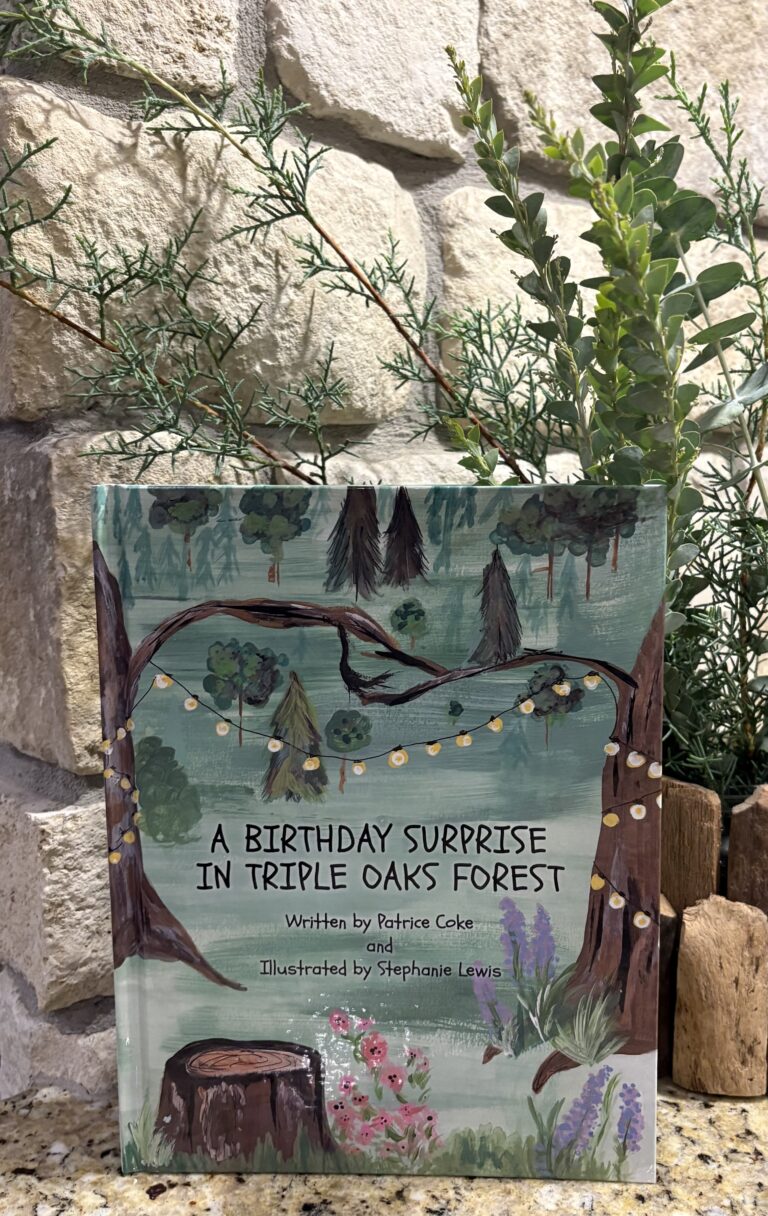
And then there are the illustrations. When writing a children’s picture book, you aren’t writing only with words. The illustrations are another part of the storytelling. A picture can show something that you don’t need to explain in the text. If a character is hiding behind a tree, looking worried, or sneaking off somewhere, the illustration can tell the reader what is happening without the author spelling it out. That means you have to resist the temptation to explain everything. Learning not to explain everything takes time. I think it’s instinct (at least it is for me) to describe too much. One thing that helps me remember not to describe too much is to think about the illustrations on each page and what the characters will be doing or what the scenes will be like.
Another important part of writing for children is remembering that although you are writing for the child, an adult will be the one buying the book, reading the book, or deciding whether the book is appropriate. That’s quite a balancing act! You want the child to enjoy the story, but you also want the parent, grandparent, teacher, or librarian to see value in it as well. If both the child and the person reading the book love it, then you have just possibly gained a follower!
2. Writing for Adults
Writing for adults gives you much more room to explain. When I write for adults, particularly when I was writing about the process of creating and publishing a children’s book, I didn’t have to worry about limiting every thought to a few simple sentences. I can explain, give examples, share mistakes I have made, and lessons I have learned. I can tell the reader why something matters instead of simply showing them through a story. I can also use vocabulary and concepts that would be completely inappropriate for a young child but are perfectly reasonable for an adult reader.
There is also a different relationship between the writer and the reader. When I am writing a children’s story, I want the reader to become part of the adventure. When I was writing the how-to book for adults, I wanted the reader to feel like I was sitting across the table from them (much like when I write my blogs), saying, “Okay, let’s figure this out together.”
3. Children Need a Story. Adults Need a Reason.
This is one of the biggest differences. Children generally want to know what happens next. Adults often want help solving a problem and want to be taught something. That doesn’t mean children’s books can’t teach a lesson. They absolutely can. In fact, many of the best children’s books teach children something without making them feel like they are sitting in a classroom. The lesson is woven into the story. A character makes a mistake. Someone learns to be kind. A problem is solved. A friendship develops. The child experiences the lesson through the characters.
When writing nonfiction or instructional material for adults, however, you usually need to be much more direct. Don’t assume the reader knows exactly what you are talking about when you are telling them how to do something, for instance. You can’t be vague, but rather, you have to assume the reader does not know anything about what you are teaching them. It’s important to explain it in detail, give them examples, and tell them what they can do with what they learned. When writing novels, a lot of description is necessary so that the reader can envision characters, scenes, etc. There are no pictures in most adult novels, so readers need to be able to “picture” things in their heads.
4. The Challenge of Keeping Things Simple
One thing writing for children has taught me is that simplicity can be difficult. As adults, we tend to over-explain things. We have so much information in our heads that we want to put all of it on the page. But a child doesn’t need every detail; they need the right detail. In other words, a child needs to know just enough to make the story engaging and interesting. This is a lesson that applies to writing for adults, too. Just because you know something doesn’t mean your reader needs to know every single thing you know. Good writing isn’t about showing the reader how much you know. It’s about giving the reader what they need.
5. The Voice And Tone Matters
Another major difference is voice. When I write for children, I want my writing to feel warm, inviting, and playful. I want children to feel like they are stepping into a world where something exciting might happen. My tone should feel humorous and easy to understand.
When I write for adults, my voice can be more conversational and informative. My tone can be professional, humorous, and enthusiastic. Oftentimes, an author will have more than one tone in the same book. I can talk about the practical side of writing, publishing, marketing, ISBNs, websites, editing, and all of the other things that come with creating a book. But I still don’t want it to sound like a manual. Personally, I like writing that sounds like a real person is talking to me, and that’s how I like to write. I not only find it easier and much more natural, but I also find books are much more interesting (especially how-to books), and more engaging if different tones are used. Otherwise, books can tend to be boring, hard to follow, and dry. Don’t get me wrong, not all books can have humor or a conversational tone, especially textbooks or manuals, but it’s also an author’s preference as to how they like to write.
So Which Is Harder?
That’s a tough question. Writing for children is challenging because you have to make every word count. You have limited space, you have to consider the child’s age, and you have to work alongside illustrations to tell the story. Writing for adults is challenging because you have more freedom. Sometimes it might be too much freedom! You can write page after page explaining something, only to realize that you could have said the same thing much more simply.
So, which is harder? I wouldn’t say writing a children’s book is harder than writing an adult book, or vice versa. I’m going to say they are just different. Writing for children challenges you to simplify, while writing for adults challenges you to explain. Writing for children asks you to create an experience, while writing for adults asks you to provide information, guidance, perspective, or entertainment. And writing both has taught me something I didn’t expect: Knowing your audience is one of the most important parts of being a writer.
Just remember, before you write the first sentence, you need to know who is going to read it. A four-year-old doesn’t need the same words, explanations, or information as a forty-year-old aspiring author. And that’s okay. That’s what makes writing so interesting. We aren’t just choosing words. We’re choosing words for someone.