Author/Illustrator Collaboration
The Collaboration between a children’s book author and an illustrator is imperative. If you (the author) are working independently (as I did), that is, you are not publishing your book the traditional way, it is even more necessary to collaborate with your illustrator. Having clear communication, a mutual respect, and a shared vision is extremely necessary in order to have a book that flows, a book that is engaging, and illustrations that convey the story, because remember, children’s books use a lot of illustrations that help tell the story.
In traditional publishing, rarely do the author and illustrator collaborate. Rather, an illustrator is selected whose work and/or style fits best with the manuscript. I will not go into this as I have not done traditional publishing.
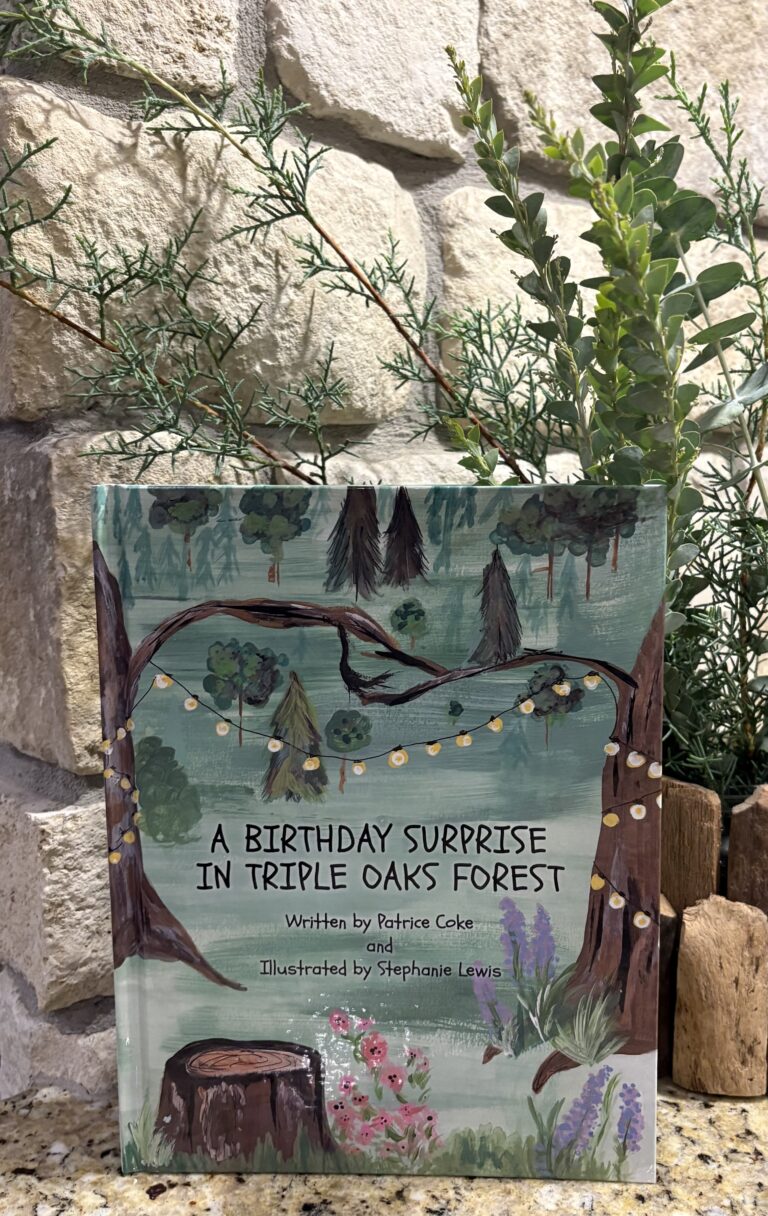
When a person is self-published, you (as the author) have control over much of the process. This is true whether you are working with a family member, a friend, or someone you have been referred to. As a side note, there are websites or professional organizations to help you find an illustrator that best suits your needs. I am lucky to have my niece, Stephanie (who has an art background), as my illustrator.
There are steps, regardless of whether you know your illustrator or not, that should be taken.
- Require Sketches: Have a meeting to discuss your vision and try your best to convey how you envision your characters. Then, ask your illustrator to draw some “rough” sketches. This will ensure that the illustrator’s style and yours will be a right fit.
- Character Clarity: Be very clear about how you envision each character. It is very important that you talk to the illustrator about your characters’ personalities and what you envision them looking and acting like. Are they cartoony, whimsical, more traditional, or realistic? Again, remember the characters tell the majority of the story through their expressions, etc.
- Be Open-Minded: It’s okay to know exactly how you envision your characters, but in your discussions with your illustrations, also be open-minded to some of their ideas as well. They may think of things you didn’t because they are, in fact, knowledgeable in this area. Stephanie, my illustrator, had a few ideas that she just threw out there. ones I hadn’t even thought about, and they were really great ideas!
There are steps, also to being the manager of the creative process.
- Provide the Manuscript: By providing a manuscript of the story, it gives the illustrator knowledgeable information about what the story is, what it’s about, and important information about the characters.
- Provide a Project Brief: This is separate from the manuscript and provides a description of the characters, the setting, and a storyboard providing space where the illustrations go on that page. For example, if some of your writing goes on the top of the page and then the writing is at the bottom, with empty space in the middle for the illustration, do exactly that; each page should reflect where your illustrations will be, along with the words. This provides the illustrator a clear vision of how your book will be laid out. It’s important to note that you should number the pages (even if you do not want the numbers in the book itself) and write what illustrations should go in that space. This might seem trivial, but it’s important. Also, make sure the illustrator numbers each illustration with the page number it corresponds to in the book. Again, this might seem trivial because you’ve seen the pages a hundred times, but trust me, things happen, and before you know it, everything is out of order. (When you are a self-publisher, the illustrations, when finished, have to be scanned and then emailed to the printing company. When we took the illustrations to a company to be scanned professionally, the person doing the scans got them out of order, even though we had them in the order they were to be scanned. We even told them that it was very important to keep the illustrations in order. Of course, we did not realize this, until the person I was working with at the printing company called one day and informed me that the words were not quite matching up to some of the illustrations. You can imagine my panic! I got that straightened out right away.)
- Roles and Expectations: Make sure roles and expectations are clearly defined. It is extremely important (even if your illustrator is someone you know, even a family member) to have a contract with a clear payment schedule, timelines, etc. This way, feelings are not hurt. There are many contracts you can print from the internet and use. I printed three different ones and then compiled them into one contract. Some of the expectations within the contract should be:
- Regular Check-ins and Meetings – Each meeting was scheduled, after a meeting, for the next time. I also had Agendas, so that it was clear as to what we were going to be discussing. Each person had discussion topics under their name, because each person had specific duties.
- Provide Specific and Constructive Feedback – Discuss each topic on the agenda and provide specific instructions, but also be aware of feelings, and if you do not like an idea, make sure you let the person know in a constructive, positive manner.
- Allow Creative Freedom – Even though you, as the author, as a specific way of how you want things, also be aware that the illustrator is an artist too. The illustrator should be given some creative freedom where they see fit. However, these ideas should be discussed with the author. This should not be a big deal if there is good communication between the author and the illustrator from the beginning.
There are certain keys to a successful collaboration, regardless of the publishing path you are going. There are certain principles that are for both.
- Text/Art Compliment Each Other: The text and art need to go hand in hand. The illustrations should not just be pictures on the pages. Rather, they should add more to the story. Unlike novels, where everything is described because there are no pictures, illustrations, in a children’s book show and describe more of what is going on, in the book.
- Embrace Constructive Feedback: It is important for both the author and the illustrator to be open to revisions and critiques. Throughout this process, there will be many revisions, and a good author will want critiques. More often than not, everyone involved wants the other (as well as the book) to succeed, so if a publisher, editor, illustrator, or author is giving feedback, it is only because they want the book to be a success.
- Workflows Vary: Discuss this upfront to avoid conflicts with deadlines, from start to completion. People work at different paces than others, so it is important to discuss timelines.
- Be Flexible and Respectful: Artistic projects can face delays. In order to be able to work together and have a positive experience, you have to be able to handle creative differences and unexpected issues with patience and respect. As we all know, things come up that may throw off timelines, etc. You have to be able to navigate these roadblocks and be flexible. This happened to me a few times, and it was not anyone’s fault. As an author, you have to remember that you are working with many people (the illustrator, the editor, the printing company, etc.) and with that, things get in the way. Be kind and understanding,. Ask when something that needs to be finished can be completed and then reset your timeline to reflect that set back. Just make sure that these setbacks are not happening on a regular basis; otherwise, there might be a different issue that you need to address.